Windshield replacement used to mean half a day off work, a waiting room coffee, and a ride share back and forth. Mobile service changed the equation. Now a technician shows up in your driveway or office lot with adhesives, primers, and a rack of glass. That convenience is real, but it also nudges the price and influences your auto glass quote in ways most drivers don’t see. If you have been searching auto glass near me and you are comparing a shop visit against mobile service, it helps to understand what actually goes into that windshield quote and why the number can differ from one provider to another.
I have spent years on both sides of the counter, writing estimates, ordering OEM and aftermarket glass, and fielding calls when ADAS calibration trips a dashboard mismatch. The best decisions happen when you know the variables. The worst surprises happen when a quote ignores something important, like a rain sensor bracket or a recalibration step that cannot be skipped. Let’s unpack what changes when the work travels to your car and how that shows up in an auto glass quote, whether for windshield replacement or broader auto glass replacement on rear or side glass.
What mobile techs carry, and why that matters for price
A proper mobile setup is a rolling mini shop. A seasoned technician brings a glass rack with common windshields, urethane adhesive with the right viscosity for the day’s temperature, Spartanburg mobile auto glass service primers for glass and body, molding kits, clips, rain sensor gel packs, nitrile gloves, dash and paint protection, and calibration targets if their company handles ADAS on site. They also stock pinch-weld tools, cold knives, wire cut systems, and a meter to check for leaks and sometimes for humidity. All of that costs money to maintain, and the truck itself costs fuel, insurance, and time to route efficiently.
Those overheads do not automatically mean mobile is pricier. Many shops use blended pricing, charging the same whether you drive in or they come to you. Others add a mobile service fee, usually modest, to cover travel and non-productive time. Geography and traffic patterns matter here. In a dense city, a tech can complete five or six jobs without crossing town. In a rural area, two long drives can eat a day. If you see a $35 to $75 mobile surcharge, it is usually tied to that logistics math, not to the glass itself.
Where mobile shines is labor efficiency on straightforward jobs. Parking lot replacements for common vehicles can be as fast as in-bay work when the weather cooperates. The opposite is also true. If a vehicle needs specialized equipment, the quote can swing. A good example is a bonded windshield that requires camera calibration. Some companies can calibrate ADAS systems in the field with portable targets and scan tools. Others must bring the car into a controlled environment with level floors, measured lighting, and a fully fueled tank to meet OEM specs. If mobile calibration is not viable, your mobile quote should flag a second step at a shop. That second step has a price.
The real anatomy of a windshield quote
Most people focus on the glass, but the material line is only part of the total. When I build an auto glass quote, I start with application, then add the small but necessary pieces that make the install safe and clean. Here is what typically shows up, even if it is rolled into a single number:
- Glass type: OEM, OEM-equivalent, or aftermarket, each with its own price tier and availability. Adhesives and primers: high-modulus, non-conductive urethane if specified, plus primers for body and glass to ensure bond integrity and corrosion protection. Moldings, clips, and brackets: many are single-use. Reusing brittle clips is a false economy that causes wind noise or leaks a month later. Labor and drive time: the hands-on work plus the travel when mobile service comes into play. Calibration: static, dynamic, or both, depending on your camera and radar suite.
That last item is the big swing. A base sedan with no camera often lands between $250 and $450 for aftermarket glass in much of the country, sometimes more in expensive markets. Add a forward-facing camera and you will see a calibration line anywhere from $150 to $350, sometimes higher on European brands. Go to OEM glass for a luxury car with acoustic interlayers and heads-up display, and the glass alone can triple the price. These aren’t scare numbers, just the ranges I see when I pull VINs and match options.
A mobile service quote wraps all of that into a job that has to be safe outside a shop. That means the urethane must meet same-day drive-away times at ambient conditions, usually 60 to 95 degrees and a humidity range that allows a reliable cure. If the weather does not cooperate, a responsible provider will push the appointment or request a garage. That caution keeps your vehicle from becoming a crash test in the first hour after a replacement. It can also change scheduling costs, which show up indirectly in what you pay.
When mobile service reduces your total cost
Drivers sometimes assume mobile adds cost, but there are cases where the opposite is true.
Think about time. If you pay for parking near a downtown shop, lose two hours of work time, and pick up your car in rush-hour traffic, the convenience of mobile service saves tangible money. Fleets see this clearly. A van parked at a jobsite while a windshield is replaced is a van still generating revenue. Many retail customers feel the same. The quote might be $30 higher for mobile, but their total day runs smoother and cheaper.
There is also the hidden cost of damage risk. Shops work hard to protect paint and trim, but constrained parking lots and constant movement expose cars to door dings and bumper taps. Mobile techs bring padding and set up where space allows. Fewer touch points can mean fewer accidents, which reduces the odds you will be arguing about a scratch after the fact.
Finally, mobile techs who know your neighborhood can often arrive with the exact glass and clips your trim needs because they have seen your model, in your climate, dozens of times. That reduces rework. Rework is the silent cost behind cheap quotes. If a company quotes low, then returns to reseal a wind noise or chase a rain leak, they burn time and reputation. The good mobile operations price to get the right material the first time.
The ADAS curveball: cameras, sensors, and calibration on the curb
If your windshield has a camera behind the rearview mirror, you are in the ADAS club. That camera watches lane markings and vehicles ahead. Replace the glass, move the camera a millimeter, and the system needs a check. Some models run a dynamic calibration with a scan tool and a road drive at a set speed. Others require a static calibration with printed targets at measured distances and heights. Many vehicles need both.
Mobile service can handle dynamic calibration on the road when traffic allows a clean drive, steady speeds, and clear lane lines. Static calibration in a driveway is trickier but not impossible with the right stands, plumb lines, and a level pad. The variable is control. A breeze that moves a target half an inch or a sloped driveway can push the camera out of spec. That is why you will hear different answers when you ask whether a mobile windshield replacement can return your lane-keep to factory performance. The honest answer is, sometimes yes, sometimes no, and a good provider will assess your space before they promise.
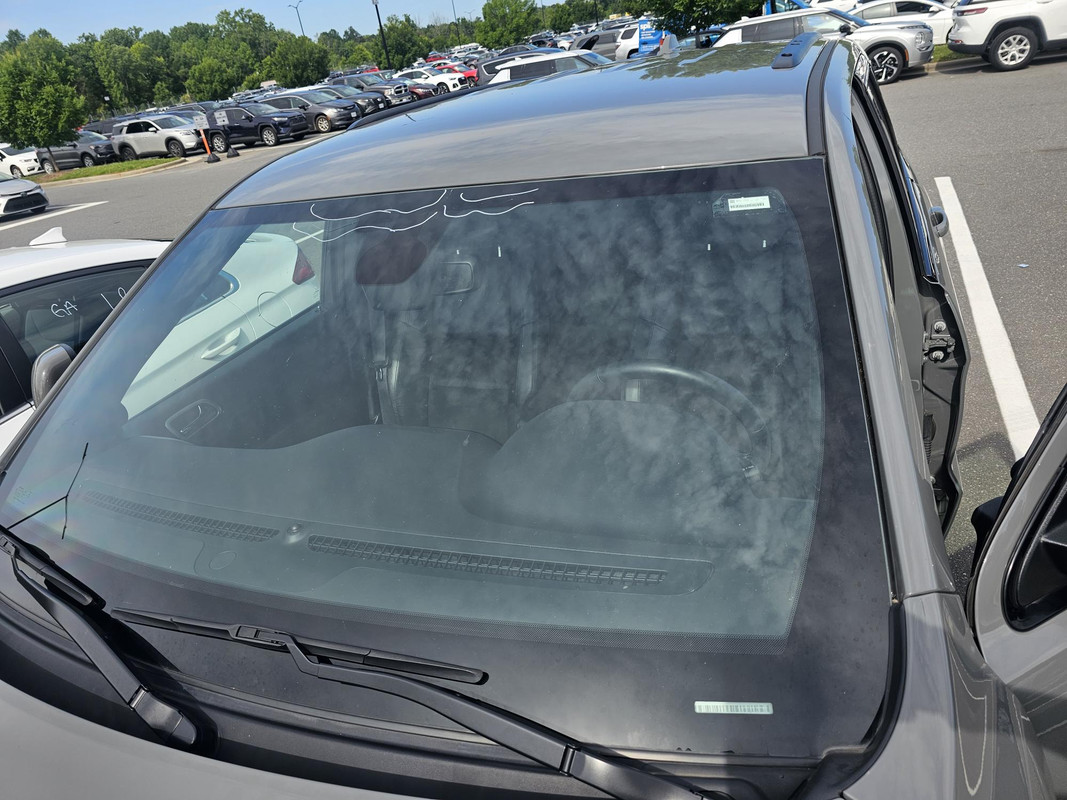
Expect your auto glass quote to call out calibration explicitly. If it does not, ask. Verify that the shop or mobile provider will document pre-scan and post-scan results, keep printouts or files, and handle any diagnostic trouble codes. Insurers increasingly require this paperwork. More important, you do not want to learn that your car disabled automatic emergency braking because a calibration was skipped.
Weather and adhesives: mobile service on hot, cold, or wet days
Adhesive chemistry matters. The urethanes used for windshields cure by reacting with moisture in the air. Too dry or too cold and they skin slowly. Too wet or frigid and they can bubble or cure weakly. Most brands publish a safe drive-away time for a specific bead size at given temperature and humidity. If you see a mobile tech watching the sky and checking a chart, that is a good sign.
In peak summer heat, a black dash can reach 160 degrees. The glass expands, the body flexes, and the adhesive cures faster than ideal. An experienced tech will shade the glass, vent the cabin, and use a urethane with a working time matched to the conditions. In winter, they will warm the vehicle interior and the glass to avoid condensation that compromises primer adhesion. This is where mobile service differentiates real pros from part-time operators. The quote you receive often reflects the products used. Premium urethanes that deliver safe drive-away in an hour across a broader temperature band cost more than bargain tubes that need half a day in mild weather. If your schedule demands a quick return to the road, paying for the right adhesive is not an upsell, it is a safety decision.
OEM, OEM-equivalent, aftermarket: does mobile change the choice?
For most mainstream cars, aftermarket windshields from reputable manufacturers meet DOT standards and fit well. They may lack a brand logo and sometimes differ in acoustic interlayers or hydrophobic coatings. OEM-equivalent glass sits between those and full OEM, often produced by the same factories without the automaker mark. For vehicles with complex heads-up display optics or lane cameras sensitive to distortion, OEM glass can reduce the risk of calibration drift or ghosting in the HUD. Cost follows that ladder.
Mobile service does not limit these choices, but it influences availability and timing. A shop bay with a large inventory can swap an in-stock piece same-day. A mobile truck carries what the day’s route demands. Providers solve this by pre-ordering once they decode your VIN and options. Your windshield quote will depend on that accuracy. If your car has a heated wiper park area, solar coating, or acoustic layer, the part number changes and the price can jump. The right mobile provider will ask for a photo of the VIN and the windshield sensor area before quoting. If they do not, expect a callback and a revised number when the tech arrives and discovers a camera you never noticed.
Insurance, cash pricing, and how mobile affects both
Insurance coverage for windshield replacement varies by state and policy. Zero-deductible glass coverage is common in a handful of states, while in others the deductible applies like any other claim. If you are paying cash, you will notice more competitive pricing and more variance, especially when you search auto glass near me and call three local companies. If you are billing insurance, prices tend to align with network rates, and mobile service is often included at no extra cost, provided the work is done by an in-network provider.
Where mobile can change the math is in scheduling and claim handling. Some insurers prefer that calibration is documented by specific partners. If your mobile provider does not have that relationship, you might see a split process: mobile replacement at your home, then a dealer or calibration center visit for the camera. Two stops can add time. On the other hand, a mobile outfit that is already credentialed with your insurer can close the loop in one appointment. When you request an auto glass quote, ask whether the company handles billing, calibration paperwork, and any ADAS-related sublets. You will save yourself a string of phone calls.
Cash customers sometimes ask for a discount if they come to the shop instead of using mobile. That is a fair question. The answer depends on a company’s routing efficiency for the day. If they can fit you into an existing mobile cluster, they may prefer to keep you at home. If the truck would make a special trip for you, a shop visit could save them an hour. There is no harm in asking.
What mobile service cannot do, and when a shop is better
For all its convenience, mobile service is not a solution for every scenario. Body rust at the pinch weld changes things. Urethane is only as strong as the metal it bonds to. If a tech cuts out the old glass and sees rust flakes or bubbling paint, the repair should pause for rust treatment and possibly paint cure time. That is shop work. The same goes for vehicles that require roofline trims or A-pillar covers that snap better with heat and specialized tools. Some European models with rain-sensing hardware require careful alignment jigs that most mobile rigs do not carry.
Weather is an obvious blocker. A light drizzle can be controlled with a canopy and wind breaks, but a cold rain or dusty wind will compromise the bond. The safer choice is to reschedule or move into a garage. In snowbelt winters, you will find that many mobile teams shift to partial shop hours or require indoor parking. Your quote should anticipate this so you do not set aside a lunch hour only to reschedule twice.
Finally, large calibration suites with radar units that need a level deck and precise distances will push you to a shop. A controlled environment reduces comebacks. When you see a quote that looks higher than a mobile-only competitor, it might include those shop calibration steps. If so, you are paying for completeness, not fluff.
Quality signals when you compare quotes
When you call around for an auto glass quote or plug your info into a website, you will get a range of prices. The cheapest number often hides gaps that appear on the day of service. You can avoid most headaches by listening for a few cues.
A strong provider will ask for your VIN and option details, not just year, make, model. They will ask whether you have a camera by the mirror, heated wipers, a lane departure light on the dash, or a heads-up display. They will mention calibration if a camera is present and explain their process, mobile or shop. They will specify adhesive cure times and set expectations for how long you should wait before driving. They will ask about your parking situation so they can bring stands or request a garage. And they will put those promises in writing on your estimate.
By contrast, if a company avoids the calibration conversation, promises a 15-minute in-and-out on a modern car with cameras, or shrugs off weather constraints, you are gambling. Windshields are a safety component. Your airbags rely on that glass to support deployment, and your camera relies on precise angles to read lane lines at highway speed. The quote should reflect that responsibility.
What windshield replacement looks like at your curb
People like to know what will happen, start to finish, when a mobile tech arrives. The detail matters because it aligns your expectations with the reality of a safe install.
The tech will park close by and walk your car, looking for pre-existing chips, scratches, and paint condition. They will protect the fenders and dash, then pull wipers and cowl if needed, trim any bonded moldings, and cut the old urethane with wire or knife. Once the glass is out, they will de-nib the old bead, leaving the proper thickness to bond the new urethane, and prime bare metal if any appears. They will clean and prime the new glass’s ceramic frit area, mount any sensor brackets, and transfer clips or moldings that are reusable.
The urethane bead goes on in a single continuous triangle, angled to ensure compression as the glass seats. The windshield is then set into position using suction cups or a setting device, pressed evenly, and taped at the corners to hold it as the adhesive begins to cure. Sensors are remounted, gel pads installed, and the interior trims replaced. A careful tech will run a leak test, either with a special meter or by controlled water flow, not a blast from a pressure washer. If calibration is needed, they will connect the scan tool and begin the process appropriate to your car.
You will receive instructions about drive-away time and post-install care. Most urethanes allow safe driving in one to two hours when conditions are right, but they may ask that you avoid car washes for a day, leave the retention tape for a few hours, and crack a window if the day is hot. This cadence does not change much between shop and mobile. What changes is the backdrop: your driveway instead of a bay.
How “auto glass near me” search results fit into this
Local search is a mixed bag. You will see national brands, regional independents, and one-van businesses. Reviews tell part of the story, but glass work is technical and often judged only if something goes wrong. Do not shop on rating stars alone. Call two or three providers and ask those specific questions about calibration, adhesive, and parts. Ask if the quote includes moldings and clips or if those are extra. Ask whether the technician doing the work is experienced with your model. A late-model pickup with gasketed moldings installs differently than a compact crossover with a bonded flush fit. Experience shows up in the details, like whether they protect your A-pillars from wire cuts or they mark wiper positions to avoid scratches on first swipe.
Regional independents sometimes beat national brands on speed, especially if they have direct relationships with wholesalers who stock your specific part. National brands often win on warranty reach and insurance network handling. There is no universal right answer. The right choice depends on your car, your schedule, and how important one-stop insurance billing is to you.
When a second opinion saves a headache
Every year I see a handful of cars that arrive after a hasty replacement. The symptoms are consistent: wind noise at 50 mph, water at the A-pillar after a storm, or a camera that drifts the car left and right on a straight highway. The fix is usually straightforward but inconvenient. The glass comes out, the bead is cleaned, the primer is applied correctly, the glass is set with proper stand-off, and the camera is calibrated again. The point is not to scare you. It is to underline that windshield replacement is more craft than commodity.
If your initial auto glass quote seems too good to be true, or if a provider can’t answer simple questions, get a second quote. If the second number is higher, ask for the breakdown. You may discover that the first quote skipped calibration or assumed you did not have a heated windshield. On the other hand, if two quotes align and one company can do mobile service tomorrow while the other wants you to drive across town next week, that convenience is genuine value.
A few practical steps to make mobile work in your favor
Here is a short checklist you can use when you book mobile windshield replacement. Save yourself a round of phone calls and a surprise charge on the day.
- Provide your VIN and trim details. Send a photo of the sensor area by the mirror. This locks the correct part number and price. Ask whether the quote includes moldings, clips, adhesives, taxes, and calibration. Get it in writing. Confirm drive-away time based on forecasted weather. If rain or cold is coming, ask about contingency plans. Check whether your space works: level ground, room to open doors fully, and permission to work if you are at an office lot. If using insurance, confirm the provider is in network and that calibration paperwork is accepted by your insurer.
Five minutes of prep can remove an hour of back-and-forth on service day.
The quiet advantage of good mobile teams
The best mobile technicians have a calm efficiency. They move with a rhythm that telegraphs experience, not rush. They keep a clean work zone, line up trim pieces in order, and explain what they are doing without jargon. If they find rust or a broken clip that is not reusable, they show you. If the weather threatens the bond, they offer options rather than forcing a bad install. Those soft skills are not line items on your windshield quote, but they are the difference between a job that fades into the background and one you think about every time it rains.
Mobile service has matured from convenience perk to standard practice for auto glass replacement. It brings your time and comfort into the equation without sacrificing technical quality, provided the team respects the fundamentals. As you compare quotes for a windshield replacement, focus on what is included, how calibration will be handled, and how the provider plans to manage weather and setup. Convenience does not have to compromise safety or fit. It should simply mean that when you search auto glass near me, the right help arrives on your terms, at your curb, with the right glass and a plan that stands up to the road.